When the Colorado legislative session wraps up each spring, the headlines fade, the votes are cast and lawmakers return home. For Platte River’s external affairs team, however, that’s often when some of the most important work begins.
By the time a bill is introduced at the State Capitol, it’s often already taken shape. Conversations have been happening for months. Concerns have been raised, language has been refined and stakeholders have started forming positions. That’s why Platte River has shifted its focus to engaging early, before ideas become legislation and opportunities to influence an outcome become more limited.
“It’s about being part of the conversation early,” said Javier Camacho, senior manager of external affairs. “That’s where you can really make a difference.”
In recent years, the number of policies affecting utilities has grown, and so has their complexity. Clean energy goals, reliability, affordability and emerging technologies are all evolving at the same time.
Each year, hundreds of bills are introduced at the State Capitol, many with direct or indirect implications for utilities. For Platte River, staying engaged requires year-round attention, not just during the legislative session.
Partnerships play a critical role in that effort. Through the Colorado Association of Municipal Utilities (CAMU), Platte River works alongside public power providers from across the state to monitor legislation, identify concerns and engage with lawmakers. Often, that work happens well before a bill reaches a committee hearing.
“Success is often quiet,” shares Leigh Gibson, senior external affairs specialist. “It means things are workable. It means we caught something early.”
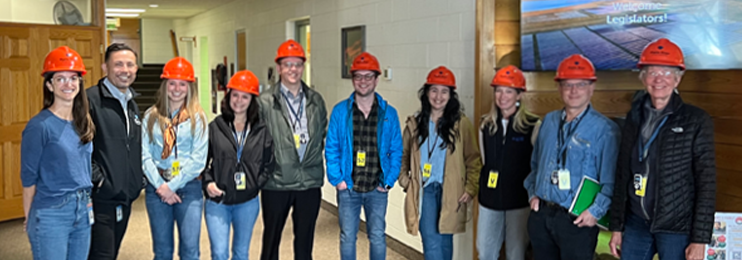
Some of the most important engagement opportunities don’t even happen under the golden dome, as its affectionately referred to. They happen during community meetings, facility tours and conversations with local elected officials. Over the past year, Platte River has expanded those efforts through owner community council orientations, joint discussions with local leaders and tours of facilities like Rawhide Energy Station.
Right now, the groundwork for future sessions is underway. Discussions around data centers, grid reliability, affordability and long-term emissions goals are already happening. Add in an upcoming election cycle, and the landscape could shift even further with new lawmakers, new leadership and new priorities.
Which makes this stretch between sessions anything but quiet.
At the end of the day, this work isn’t just about legislation. It’s about making sure decisions made at the State Capitol connect back to the communities they affect. It’s about creating space for practical solutions, not just ideas on paper. And it’s about showing up early, often and consistently so public power isn’t reacting to change but helping guide it.