
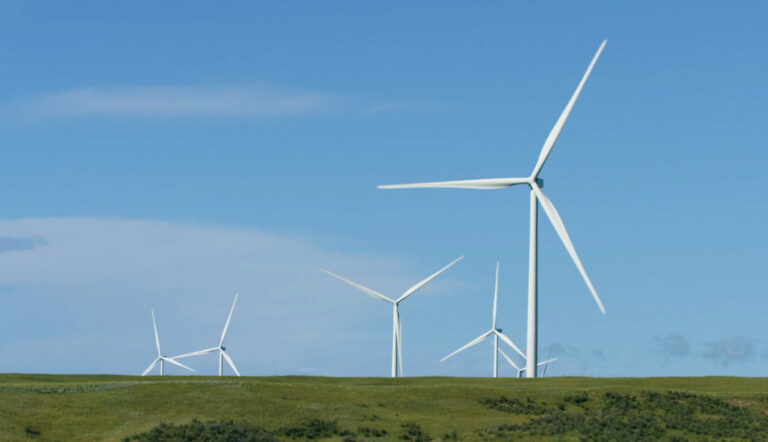

Distributed energy resources, including rooftop solar, distributed storage, energy efficiency, flexible loads and demand response, play an important role in Platte River’s transition.
Platte River’s approach includes:
- Executing the comprehensive DER strategy developed in 2024, including our owner communities, that expands Efficiency Works into distributed solutions and programs
- Launching programs that support customer-side solar, storage and electrification
- Developing a virtual power plant (VPP) to aggregate customer-side resources
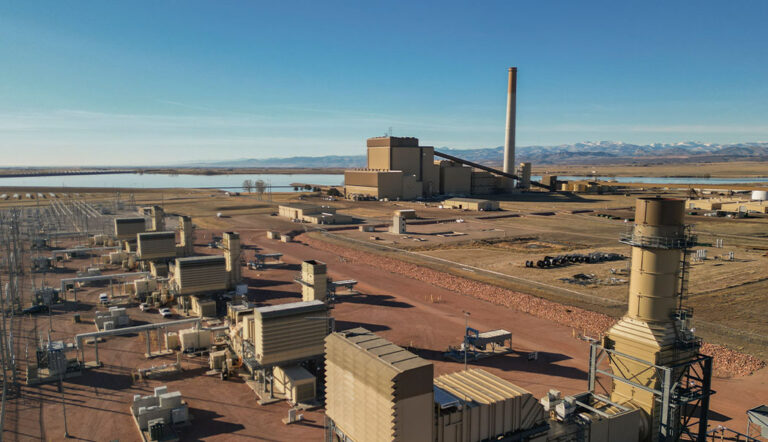
As Platte River adds more wind, solar and battery storage, the system requires flexible, fast‑starting resources that can support reliability when renewable generation is low. To meet this need, Platte River is installing five simple‑cycle, natural gas‑fired aeroderivative turbines at Rawhide Energy Station.
These turbines use jet‑engine technology and are designed for flexibility and rapid response. They will:
- Provide 200 MW of dispatchable capacity
- Start quickly to meet sudden changes in demand or renewable output
- Operate during extreme weather, outages and peak demand events
- Complement wind, solar, battery storage and VPP resources
- Support ancillary services that keep the grid stable and balanced
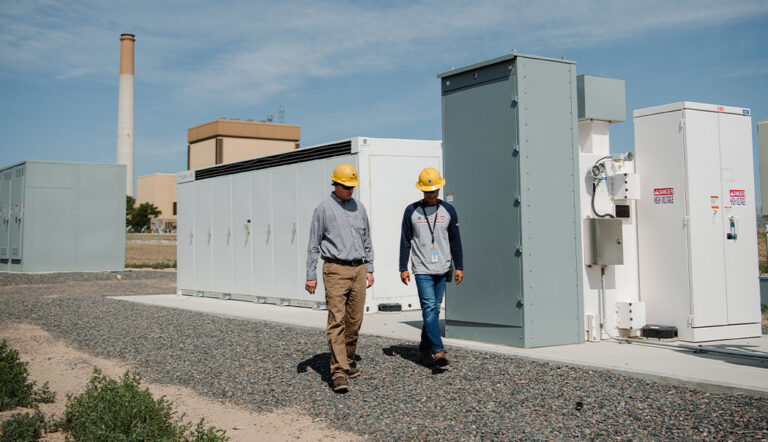
Key actions include:
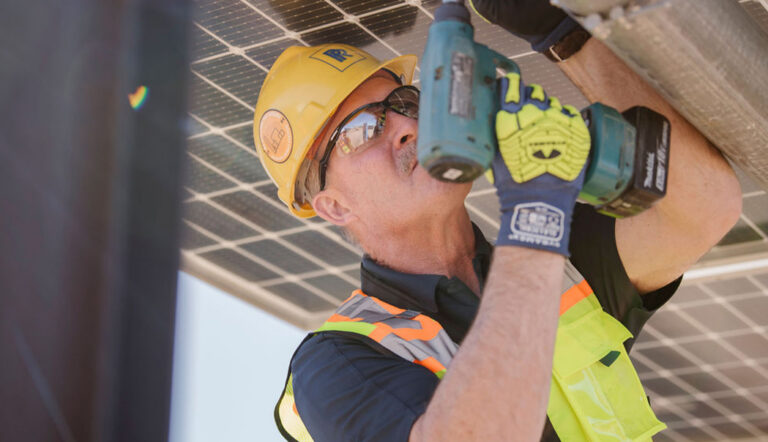
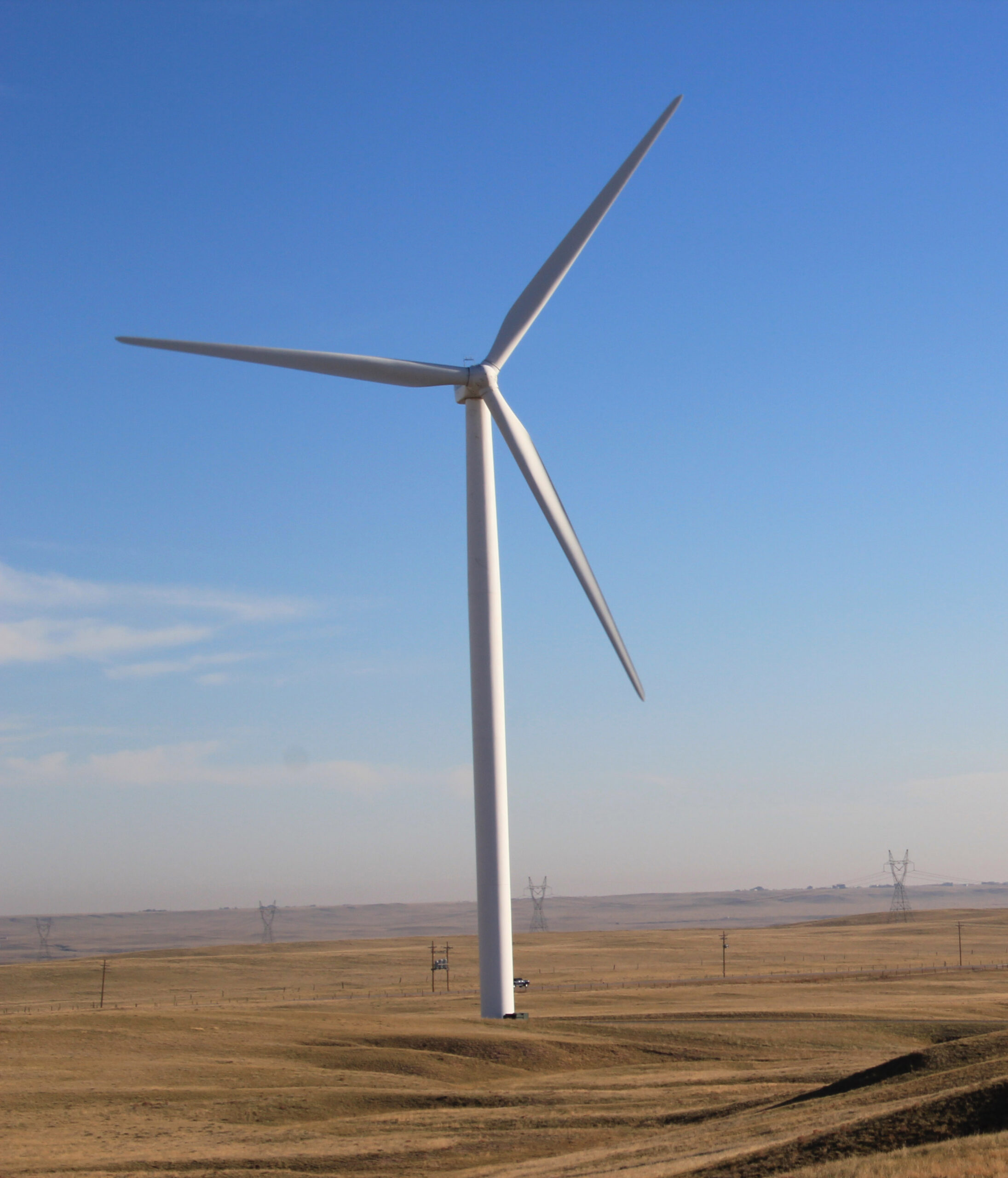
- Adding new utility-scale solar and wind projects
- Expanding battery storage to support the intermittency of renewable resources
- Planning additional renewable resource additions through 2030
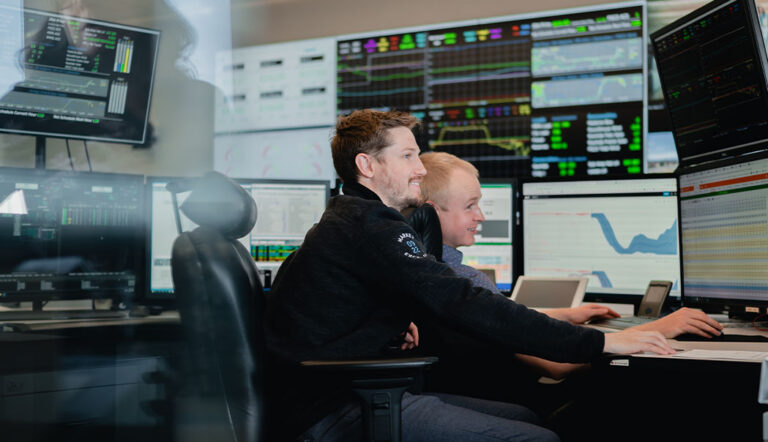
Platte River joined the Southwest Power Pool (SPP) Regional Transmission Organization on April 1, 2026. RTOs bring utilities together to manage the grid across large geographic areas, balancing supply and demand in real time and planning transmission to ensure reliable, cost‑effective power delivery.
Participation in the SPP RTO helps Platte River:
- Integrate more renewable energy
- Maintain reliability through real‑time balancing
- Manage costs by sharing resources across a broader footprint
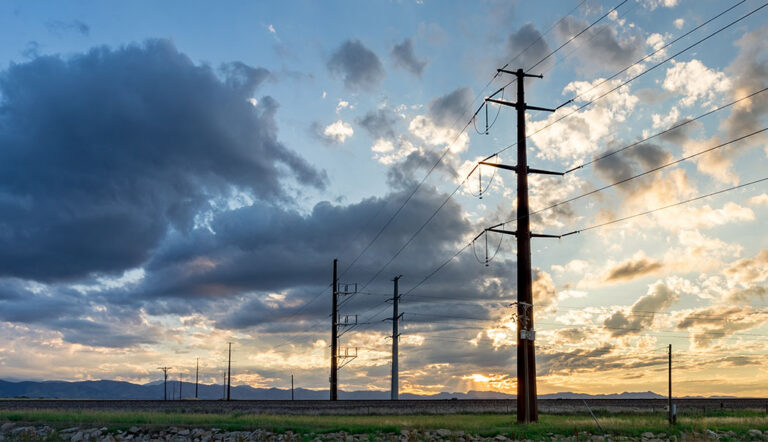
A noncarbon energy future requires a strong, flexible transmission system. Platte River is investing in transmission upgrades that will:
- Move renewable energy from where it is generated to where it is needed
- Support electrification of buildings and transportation
- Enable DER growth
- Improve resilience during extreme weather
- Enhance coordination with regional utilities
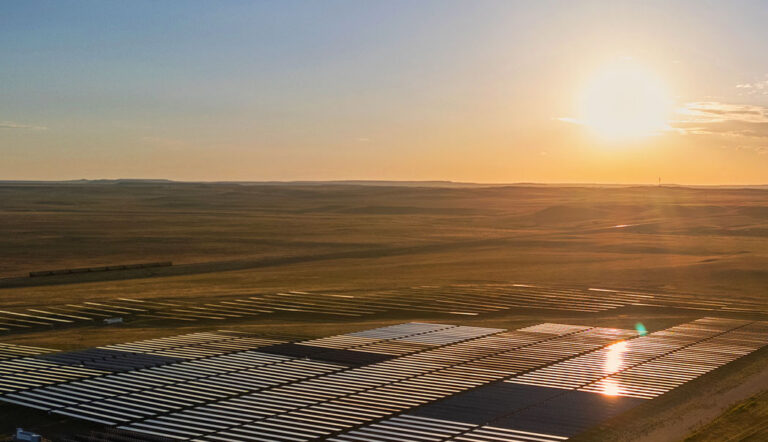
As the grid becomes more dependent on wind and solar resources, Platte River must plan for periods when renewable generation is low or unavailable. These conditions, often called “dark calm” events, occur when wind speeds drop and solar production is limited for extended periods, sometimes lasting multiple days.
Through its integrated resource plan, Platte River models:
- Heat waves
- Cold snaps
- Multi‑day low‑wind/low‑solar events
- Rapid changes in renewable output
This planning helps determine:
- How much dispatchable capacity is needed
- How much battery storage is required
- What reserve margins must be maintained
- How DERs and VPPs can support the system during extreme conditions

Per the Americans with Disabilities Act (ADA), Platte River Power Authority will provide reasonable accommodation to qualified individuals with a disability who need assistance. Please email us at [email protected] or call 970-226-4000. “Walk-in” requests for auxiliary aids and services may be honored to the extent possible but can be unavailable if advance notice is not provided.
TOP