The energy transition is underway in northern Colorado
Northern Colorado’s energy system is evolving as Platte River Power Authority – on behalf of its owner communities of Estes Park, Fort Collins, Longmont and Loveland – add more clean, renewable resources. As the energy mix changes, the way we plan, operate and use electricity is changing, too.
The transition to a noncarbon energy mix requires new tools, new technologies and new approaches to ensure electricity remains reliable and affordable every hour of the day.
Understanding the complexities of an increasingly noncarbon energy mix
Adding more renewable energy is essential for Platte River’s energy transition to be successful, but it also introduces new challenges:
- Variability: Wind and solar output changes with weather and time of day.
- Peak demand: Electricity use spikes during certain hours, especially on hot summer afternoons or cold winter days.
- Growing electrification: More EVs, heat pumps and electric appliances increase overall demand.
- Cost pressures: Building new infrastructure is expensive; using existing resources helps keep costs stable.
- Reliability expectations: Customers expect electricity to be available every hour of every day.
To meet these needs, Platte River is investing in a mix of renewable energy, battery storage, dispatchable technologies and modern grid infrastructure, and recently joined an energy market.
A new tool: the virtualpower plant
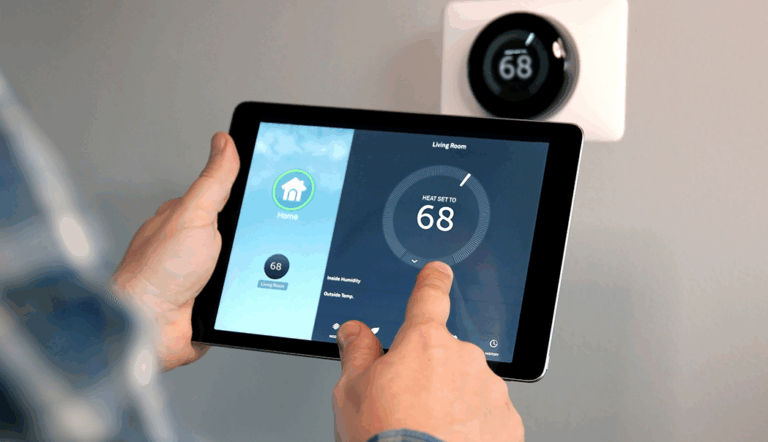
A virtual power plant, or VPP, is a modern approach to managing the grid. It isn’t a physical power plant. Instead, it’s made up of many small, customer owned devices, such as smart thermostats and EV chargers, that can adjust how and when they use electricity.
When customers make small, temporary adjustments to these devices, they help:
- Reduce demand during peak hours
- Shift energy use to times when renewable energy is plentiful
- Support reliability during extreme weather
- Manage long term costs by reducing strain on the system
- Align energy use with lower cost periods
Even small adjustments, typically unnoticed by customers, can add up to a meaningful impact when thousands of devices participate. Learn more about how VPPs work in the video above.
Your role in the energy transition
The transition to a cleaner energy future is a shared effort. While Platte River is investing in new resources and technologies in collaboration with our owner communities, customers also play an important role in shaping how our energy system evolves. Here’s how you can help.
Participate in efficiency and electrification programs through EfficiencyWorks™
Efficiency Works offers rebates, resources and expert guidance to help you use energy more efficiently and adopt cleaner technologies. These programs support the transition by:
- Reducing overall energy use
- Lowering peak demand
- Helping customers switch to efficient electric technologies like heat pumps and induction appliances
Efficiency and electrification remain some of the most effective ways to support a cleaner, more flexible grid. Enroll today at EfficiencyWorks.org.


Enroll in Efficiency Works Flex
Efficiency Works Flex is the name for Platte River’s virtual power plant. These offerings allow customers to participate directly in grid flexibility efforts.
- Smart thermostat program: now available
- EV charging program: launching late 2026
When you enroll, your devices can make small, temporary adjustments during peak times, helping balance the grid and make better use of renewable energy and shift energy use to lower-cost time periods. Participation is voluntary, simple and designed to be minimally disruptive to daily activities.
Learn about new technologies through theEfficiency Works Learning Center
The Efficiency Works Learning Center offers straightforward information to help customers understand energy technologies and make informed decisions. It includes resources on topics such as electric vehicles, solar, energy storage, heat pumps, smart thermostats and other efficiency and electrification technologies for homes and businesses. Customers can also explore articles and guides to learn more at their own pace.
Other major projects supporting the clean energy transition
Modernizing transmission infrastructure
A reliable noncarbon energy future depends on a strong transmission system. As part of the SPP RTO, Platte River participates in a regional planning process led by SPP, which identifies future transmission needs and shares costs across market participants. Platte River remains the NERC Transmission Planner, meaning we are responsible for planning and ensuring the reliability of our transmission system. We coordinate our studies with SPP and monitor the regional process so any transmission projects proposed within our service territory are built by Platte River or meet Platte River’s design standards. Platte River’s transmission investments help:
- Increase the ability to deliver renewable energy
- Enable DER growth and support electrification of buildings and transportation
- Improve resilience during extreme weather
- Enhance coordination with regional partners
These efforts include new transmission lines, substation upgrades and working closely with SPP and neighboring utilities to ensure the grid can support rapid changes in the electric industry.
Expanding renewable energy resources
Platte River has added new wind and solar resources to reduce emissions and diversify the energy mix. The Black Hollow Sun Solar Complex, located near Severance, Colorado, will be completed at the end of 2026 and add 107 megawatts of new solar capacity, for a total of 257 megawatts. When fully operational, Black Hollow will provide enough energy to serve more than 73,000 homes and businesses each year. This project builds on the 52 megawatts of solar already operating at the Rawhide Energy Station and the 225 megawatts of wind from the Roundhouse project, which began delivering energy in 2020.
Platte River’s long‑term plans also include evaluating the addition of new wind resources in the coming years. These renewable additions support Platte River’s transition toward a cleaner energy mix.
Participation in the Southwest Power Pool (SPP) RTO
Platte River joined the Southwest Power Pool Regional Transmission Organization (RTO) on April 1, 2026. Participation in an RTO provides access to a larger pool of regional resources and supports:
- Real‑time balancing across a wider geographic area
- More efficient use of renewable energy
- Improved reliability during periods of high demand or variable renewable output
- Coordinated transmission planning with neighboring utilities
Market participation is an important component of integrating higher levels of wind and solar. Learn more at prpa.org/energy-markets.
Building new energy storage
Energy storage plays an important role in supporting reliability and managing the variability of wind and solar resources. Platte River is adding both utility‑scale and distributed storage to increase flexibility across the system. The Weld Energy Storage project, a 100 MW, four hour, battery system adjacent to the Black Hollow Sun solar site, began construction in summer 2026 and is expected to be in service by the end of 2026. This project will provide fast‑responding capacity that helps balance renewable generation and meet periods of high demand. Learn more at prpa.org/weld-storage.
In addition to large‑scale storage, Platte River is developing 20 megawatts of four hour distributed storage in our owner communities. Each community – Estes Park, Fort Collins, Longmont and Loveland – will host a 5‑megawatt installation. These systems will be part of the VPP, helping manage local demand, supporting reliability during peak periods and improving operational flexibility as more customer‑side technologies come online.
Adding new dispatchable capacity
As more wind and solar come online, the system requires flexible resources that can respond quickly when renewable output is low.
Platte River is installing five simple‑cycle, natural gas‑fired aeroderivative turbines at Rawhide Energy Station. These units will:
- Provide 200 MW of fast‑starting, dispatchable capacity
- Support reliability during extreme weather and peak demand
- Complement wind, solar, battery storage and VPP resources
More information is available at prpa.org/aeroderivative-turbines.
How these efforts support the energy transition
Platte River’s transition involves several efforts that support one another.
- Renewable energy provides clean generation
- Storage and the virtual power plant add flexibility during periods of high demand, high cost or variable renewable output
- Participation in a regional transmission organization increases access to a wider range of resources
- Transmission upgrades improve the ability to move energy where and when it is needed
- Customer participation helps balance demand based on available supply and make better use of renewable energy
Together, these elements form a more adaptable system that can accommodate additional clean energy while maintaining reliability and managing costs for the owner communities.
Looking ahead, the transition will continue to change as new technologies become available and customer needs evolve. Platte River and its owner communities will continue to evaluate and invest in solutions that support reliability, affordability and a cleaner energy mix for northern Colorado.
Per the Americans with Disabilities Act (ADA), Platte River Power Authority will provide reasonable accommodation to qualified individuals with a disability who need assistance. Please email us at [email protected] or call 970-226-4000. “Walk-in” requests for auxiliary aids and services may be honored to the extent possible but can be unavailable if advance notice is not provided.
TOP